
How Tree Services Help Prevent Property Damage Through Strategic Tree Removal
This article explores the critical role that tree services play in protecting properties from damage by employing strategic tree removal techniques. By understanding the potential risks posed by trees and the methods used to mitigate these risks, property owners can make informed decisions to safeguard their homes and surroundings.
Understanding the Risks Posed by Trees Near Properties
Risking Structural Damage from Overgrown Roots
Overgrown tree roots can pose significant threats to the structural integrity of nearby buildings and infrastructure. As roots grow, they can penetrate and weaken foundations, leading to costly repairs and potential property devaluation. It's not uncommon for homeowners to overlook the gradual encroachment of roots, which can slowly disrupt plumbing and electrical lines underground. Trees planted too close to foundations exacerbate this issue, increasing the likelihood of damage as they mature. Therefore, strategic placement and occasional removal of trees near properties are practical measures in preventing such structural damages.
Chancing Impact of Large Branches During Storms
Storms can turn large tree branches into hazardous projectiles, putting properties at risk. The forceful winds associated with storms can dislodge weak or dead branches, making them potential threats to roofs, windows, and cars. Strategic tree pruning can mitigate this risk, reducing the likelihood of branches breaking off during inclement weather. By preparing trees ahead of storm seasons, property owners can protect their homes from damage and avoid costly insurance claims. Enlisting the help of professional tree services ensures that potential hazards are effectively managed.
The Role of Professional Tree Assessments
Identifying Hazardous Trees with Expert Evaluation
Professional tree assessments are pivotal in identifying trees that pose potential hazards to properties. Arborists use their expertise to evaluate tree health, identifying signs of disease, decay, or instability that might not be visible to untrained eyes. This detailed evaluation often involves assessing the structure, condition, and environment of the tree, providing property owners with informed recommendations. By pinpointing hazardous trees early, property owners can take steps to remedy the situation, potentially saving thousands in property repair costs. Expert evaluation and guidance are essential components of any strategic tree service plan, ensuring thorough and effective risk management.
Assessing Tree Health and Structural Integrity
Assessing the health and structural integrity of trees involves understanding the complex interplay of biological and physical factors. Arborists meticulously examine tree roots, trunks, branches, and leaves, checking for signs that indicate poor health or structural compromise. This level of scrutiny reveals potential weaknesses that could lead to breakage or collapse, particularly during adverse weather conditions. Evaluating these factors allows homeowners to address issues before they escalate, whether through treatment, pruning, or removal. Investing in professional assessments helps maintain the health and beauty of the landscape while mitigating potential hazards effectively.
Determining the Best Course of Action
Once a comprehensive assessment is complete, determining the best course of action becomes the next critical step. Professionals consider the health of the tree, potential risks, environmental factors, and the specific goals of the property owner. Recommendations may include maintenance actions, further observation, or tree removal when necessary. These actions aim to balance control of potential hazards with the preservation of the landscape's unique benefits. Tailored strategies ensure that each tree problem is addressed appropriately, optimizing outcomes for property safety and aesthetic value.
Preventative Measures for Reducing Risk
Pruning to Maintain Tree Health
Regular pruning is a key preventative measure that helps maintain the health and appearance of trees. Pruning removes dead or diseased branches, improving air circulation and reducing the risk of infection. It also shapes the tree to maintain balance and stability, preventing limb breakage. Pruning can be daunting, especially for larger trees, and requires expertise to ensure it's done correctly without damaging the tree. Professional tree services provide the necessary skills and knowledge to perform pruning tasks efficiently, safeguarding the health and stability of the landscape for the long term.
Creating Defensible Space for Fire Prevention
Creating a defensible space involves clearing and managing vegetation around properties to lower fire risk. By removing dead trees, branches, and underbrush, homeowners create a buffer zone that prevents fires from spreading easily to structures. This strategy is particularly vital in wildfire-prone areas, where vegetation management plays a crucial role in protecting homes. Professional tree services assess risk factors and design defensible space plans tailored to specific environments. Such preventative measures not only enhance safety but also reflect a proactive approach to landscape management for the protection of properties.
Treating Trees to Prevent Disease Spread
Treating trees to prevent the spread of disease involves a combination of cultural practices, chemical treatments, and biological controls. Spotting disease early and applying timely treatments can halt the infection's progression and prevent further damage. Professionals can identify diseases such as fungal infections and bacterial cankers, providing solutions that stop them from spreading to other plants. Treatment not only saves the impacted tree but also protects the broader landscape. Through informed intervention, tree health is preserved, reducing the likelihood of removal and maintaining ecological balance.
Removing Dead or Dangerous Trees Proactively
Proactively removing dead or dangerous trees is a crucial step in preventing potential hazards to properties. Dead trees lack the structural integrity to withstand weather extremes, posing risks to nearby structures. Professional services can assess when removal is the safest and most effective option, minimizing dangers from falling branches or tree collapse. According to Lawn Love, removing a small tree typically takes 1 to 2 hours, while large tree removals can take 3 to 4 hours. Scheduling these removals before tree structures weaken further prevents emergencies and maintains safety.
Strategic Tree Removal: Minimizing Damage
Timing Considerations to Avoid Seasonal Risks
Timing tree removal is a strategic decision that considers seasonal risks, environmental factors, and property logistics. Removal is best scheduled during dormant seasons when trees are inactive, minimizing stress on surrounding plants and wildlife. Planning during milder weather avoids exacerbating issues related to storms, pests, and extreme temperatures. Professionals adeptly time removal actions, minimizing seasonal impacts and ensuring optimal results. This thoughtful approach aligns the timing of removal with ecosystem health and property safety, enhancing the strategic outcomes of tree management.
Utilizing Professional Equipment for Safety
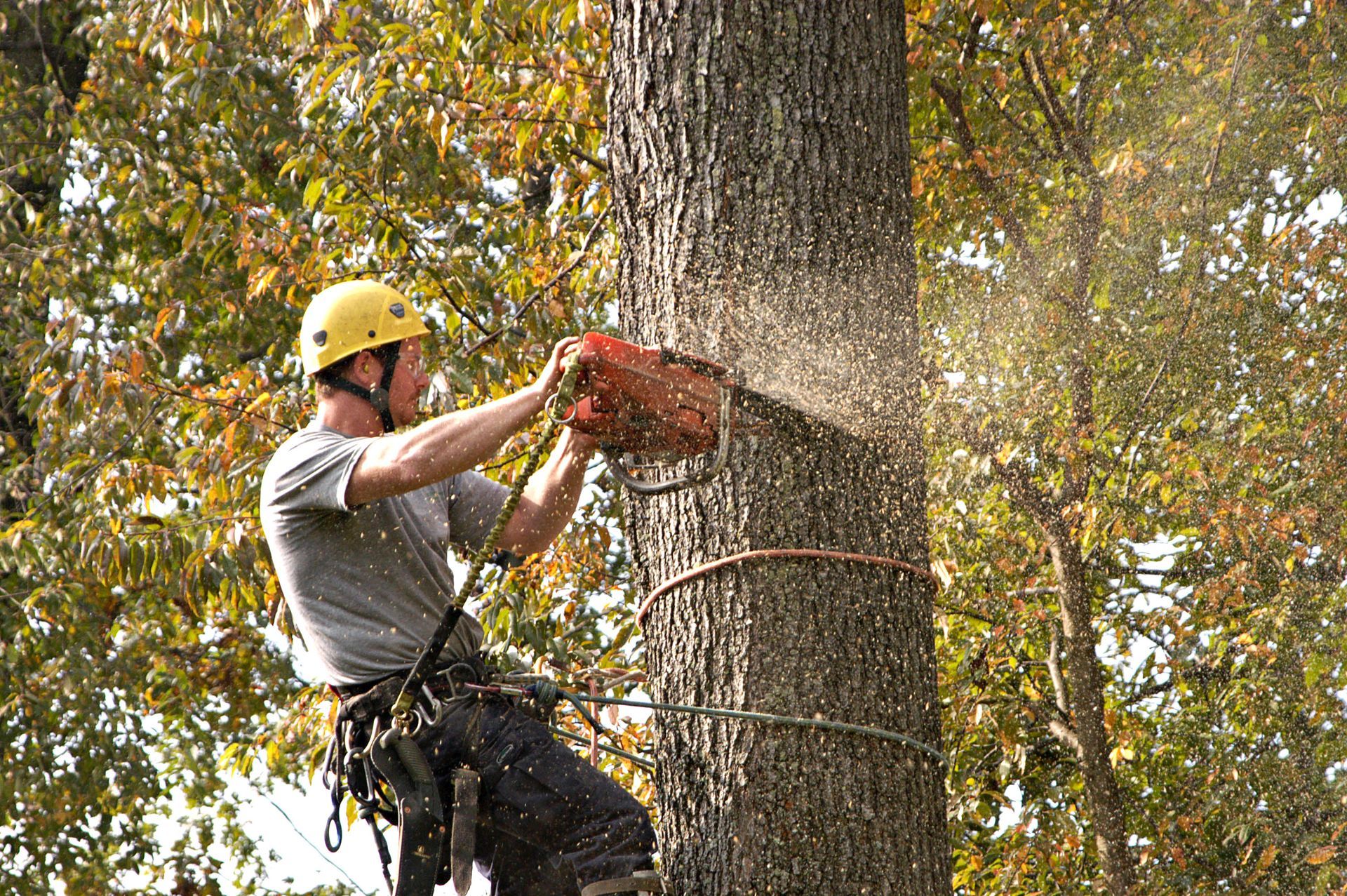
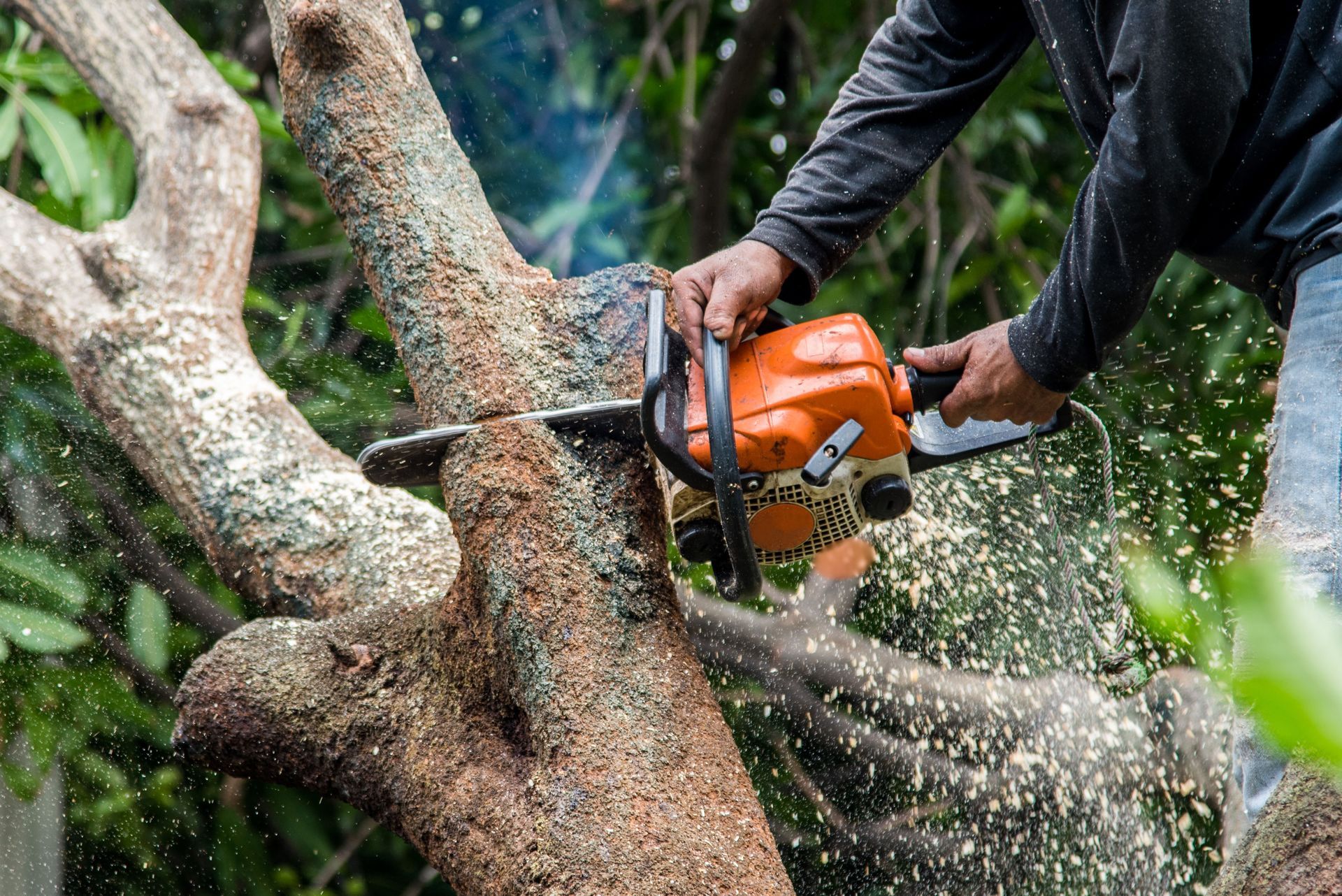
Employing professional equipment during tree removal ensures the highest standards of safety and efficiency. Specialized tools and machinery assist in carefully felling trees, mitigating risks to workers, bystanders, and property structures. Expert operators are trained to utilize equipment like cranes, chainsaws, and wood chippers, which facilitate safe and efficient removal. Relying on professional services guarantees that tree removal is conducted following industry safety protocols. By utilizing advanced equipment and trained personnel, tree services minimize hazards and deliver quality results every time.
Ensuring Minimal Impact on Surrounding Areas
Strategic tree removal prioritizes safeguarding surrounding areas, minimizing disruptions to landscapes, infrastructure, and property aesthetics. Professionals employ techniques that prevent collateral damage such as soil compaction, plant disturbance, and property degradation. Careful planning, expert execution, and site restoration work harmoniously to ensure minimal disturbance. Integrated approaches balance immediate safety requirements with longer-term ecological and aesthetic considerations. By minimizing the impact on surrounding areas, tree services align practical safety measures with homeowners' desires to preserve beautiful, cohesive landscapes.
Through strategic tree removal and professional
tree services, property owners can significantly reduce the risk of damage from trees. If you're looking for reliable tree removal services, reach out to Dillon Tree Service today!

Share On: