
10 Ways Your Local Arborist Can Improve Your Tree’s Health Through Proper Trimming
Healthy trees need more than water, sunlight, and suitable soil to thrive. Proper trimming can improve structure, reduce hazards, encourage healthy growth, and help trees remain attractive throughout their lives. A local arborist can evaluate each tree and develop a trimming approach based on its species, age, condition, and surroundings.
1. Remove Dead and Diseased Branches
Removing dead and diseased branches is one of the most important ways professional trimming can support tree health. Dead wood can become brittle, making it more likely to fall during strong winds, storms, or other stressful conditions. Diseased branches can also harbor pathogens that may spread to other portions of the tree when problems are not addressed appropriately. A local arborist can identify unhealthy limbs and determine which branches should be removed based on the tree's overall condition. Strategic removal can improve the tree's appearance while reducing unnecessary stress on healthy growth. Regular professional evaluations can help identify deteriorating branches before they become larger concerns.
2. Improve Air Circulation Through the Canopy
A dense canopy can restrict airflow between branches and leaves, creating conditions that may contribute to certain pest and disease problems. Selective trimming can open portions of the canopy while preserving the tree's natural structure and appearance. A local arborist can identify crowded branches and determine which growth should be selectively removed. Better air movement can allow foliage to dry more efficiently after rainfall and improve the overall growing environment. Careful trimming is important because removing too much foliage can create unnecessary stress. Maintaining balanced canopy density can help support healthier growth without compromising the tree's natural form.
3. Encourage Stronger Branch Structure
Proper branch structure can make a tree more stable and better equipped to withstand environmental stresses. Branches that cross, rub against one another, or develop weak attachment points can create structural concerns as the tree grows. A local arborist can identify these conditions and selectively trim growth to encourage a stronger framework. Early structural pruning can be particularly valuable for younger trees because it helps establish desirable growth patterns as the canopy develops. Correcting structural issues later in a tree's life may be more difficult because branches become larger and heavier. Consistent professional trimming can support a balanced structure while reducing the potential for future branch failures.
4. Reduce Competition Between Branches
Trees sometimes develop multiple branches that compete for the same growing space, sunlight, and resources. Excessive competition can create crowded areas within the canopy and contribute to uneven growth. A local arborist can assess the arrangement of branches and selectively remove growth that interferes with stronger structural development. This process allows remaining branches to receive better access to available resources without excessively reducing the canopy. Strategic trimming can also help maintain a more balanced shape as the tree continues to mature. Reducing unnecessary competition supports healthier development while preserving the tree's natural characteristics.
5. Improve Sunlight Distribution
Sunlight is essential for photosynthesis, making access to adequate light an important part of tree health. Overcrowded branches can shade interior portions of the canopy and limit the amount of sunlight reaching certain leaves. Selective trimming can create openings that allow more balanced light penetration throughout the tree. A local arborist can determine which branches are contributing to excessive shading without removing more foliage than necessary. Maintaining appropriate canopy density can help support healthy leaf development and balanced growth. Thoughtful trimming can therefore improve the tree's access to sunlight while preserving its overall structure.
6. Maintain a Safe Clearance Around Structures
Branches growing too close to homes, garages, utility lines, fences, and other structures can create both health and property concerns. Contact with buildings or infrastructure can cause branch damage as wind moves the tree and can create ongoing rubbing or abrasion. A local arborist can evaluate the surrounding space and selectively trim branches to establish appropriate clearance. Maintaining separation can reduce physical damage while allowing the tree to continue growing in a healthier direction. Professional trimming also helps prevent property owners from removing more growth than necessary to solve a clearance issue. Properly managed clearance protects surrounding structures while supporting the tree's long-term development.
7. Manage Tree Growth According to Its Size
Tree size plays an important role in determining how trimming should be approached. According to Lawn Love, trees under 30 feet tall are generally classified as small, and those 60 feet or more are considered tall by most professionals. Different tree sizes can require different equipment, techniques, access considerations, and pruning strategies. A local arborist can evaluate the tree's height and canopy structure before determining an appropriate trimming plan. Considering overall size helps ensure that the work addresses the tree's needs rather than relying on a one-size-fits-all approach. Proper planning becomes increasingly important as trees grow larger and their branches become heavier and more difficult to access.
8. Prevent Weak and Overextended Growth
Some branches may extend too far from the main structure and become increasingly vulnerable as they grow larger. Long, overextended limbs can place additional weight on branch unions and may become more susceptible to damage during strong winds. A local arborist can identify branches with poor structural balance and determine whether selective trimming can reduce their vulnerability. Proper cuts can help redirect growth toward stronger areas of the canopy without unnecessarily removing healthy foliage. Addressing weak growth early can be easier than managing a large structural problem after a branch breaks. Consistent assessment helps trees maintain a balanced canopy as they mature.
9. Support Healthy Growth After Storm Damage
Storms can leave trees with broken, cracked, hanging, or otherwise damaged branches that require careful evaluation. Some damaged limbs may remain partially attached and pose a risk to the tree and surrounding property. A local arborist can assess storm-damaged growth and determine which branches should be removed or retained. Proper trimming can help clean up damaged areas while avoiding unnecessary cuts to healthy portions of the tree. The condition of the tree should be considered as a whole because storm damage can sometimes reveal underlying structural weaknesses. Professional post-storm trimming can help the tree recover while reducing hazards associated with damaged branches.
10. Preserve the Tree’s Natural Shape
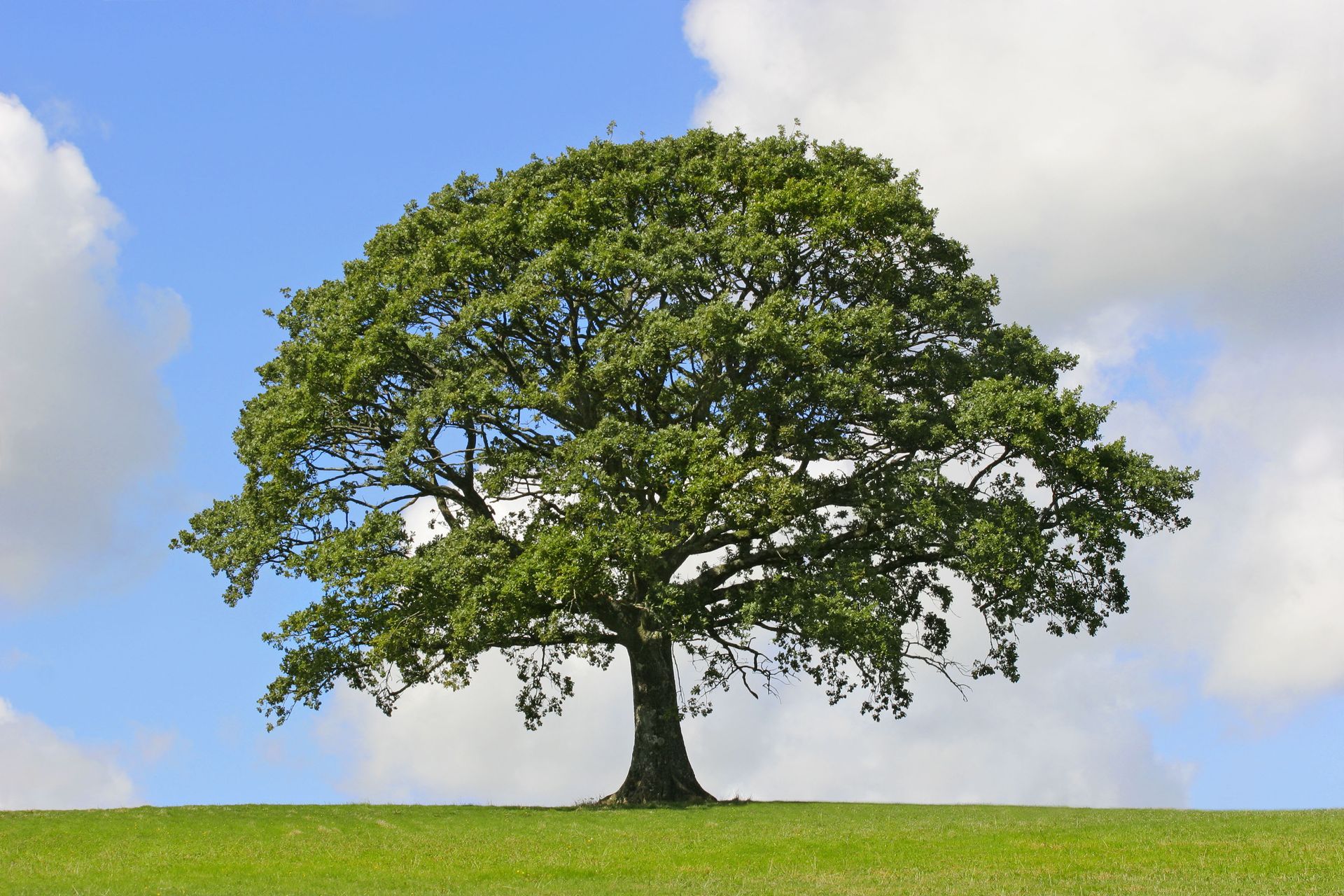
Healthy trees generally develop distinctive shapes based on their species, environment, age, and growing conditions. Excessive or poorly planned trimming can interfere with that natural form and may create unnecessary stress. A local arborist can work with the tree's existing structure rather than attempting to force it into an unnatural shape. Selective cuts can remove problematic growth while preserving the proportions and characteristics that make the tree visually appealing. Maintaining a natural canopy can also help distribute branches and foliage more evenly. Thoughtful trimming supports both the health and appearance of the tree for the long term.
Create a Consistent Tree Care Schedule
Tree health can benefit from consistent professional evaluation rather than irregular attention only when a visible problem develops. A local arborist can recommend a trimming schedule based on species, age, growth rate, location, and existing structural conditions. Regular evaluations make it easier to identify branches that should be addressed before they become larger concerns. A scheduled approach can also help property owners plan services around seasonal growth and changing landscape needs. Over time, an arborist can become familiar with the tree's development and recognize changes that might otherwise be overlooked. Consistent care provides a proactive way to maintain healthy and structurally sound trees.
Proper trimming can improve tree structure, airflow, sunlight distribution, safety, and long-term growth. A local arborist can evaluate each tree and apply selective techniques suited to its unique needs. Professional care helps preserve healthy trees while addressing developing concerns before they become more difficult to manage. Serving Shrewsbury, MA and nearby areas, contact our team at Dillon Tree Service today!
Share On: