
What an Arborist Looks for Before Trimming Large or Hazardous Trees
Trees provide beauty, shade, and environmental benefits, but they also require regular maintenance to remain safe and healthy. Large trees and those considered hazardous demand particularly careful evaluation before any trimming begins. Tree trimming is far more than simply cutting away branches. It involves understanding the tree’s condition, identifying potential risks, and creating a plan that protects both the tree and the surrounding property. Professional arborists perform detailed inspections before making any cuts to ensure the work supports long-term tree health and safety. Their assessments help prevent accidents, property damage, and unnecessary stress on the tree. Understanding what professionals evaluate before trimming can help property owners appreciate the importance of proper tree care.
Evaluating Overall Tree Health
Before trimming begins, arborists conduct a thorough assessment of the tree’s overall health. They examine the canopy to determine whether leaves appear healthy, vibrant, and evenly distributed throughout the branches. Sparse foliage, discoloration, or premature leaf drop can indicate underlying health concerns that require attention before trimming occurs. The trunk is also carefully inspected for signs of decay, fungal growth, cracks, or wounds that could compromise structural stability. Professionals pay close attention to any evidence of insect infestations because pests can weaken branches and increase the likelihood of breakage. Root health is another critical factor since a tree’s foundation directly impacts its ability to withstand environmental stress. Soil conditions surrounding the tree are evaluated to identify compaction, erosion, or moisture problems. These observations help determine the safest and most beneficial trimming approach. By understanding the tree’s overall condition, arborists can make informed decisions that support its long-term vitality.
Identifying Structural Weaknesses
A major part of any pre-trimming evaluation involves identifying structural weaknesses that may pose safety concerns. Large trees often develop defects over time that are not immediately visible to untrained observers. Arborists inspect branches for cracks, splits, and weak attachment points that could fail during storms or high winds. Co-dominant stems are another common concern because they can create unstable growth patterns that increase the risk of breakage. The angle and weight distribution of large limbs are carefully examined to determine whether they are placing excessive stress on the tree. Hollow sections within branches or the trunk may indicate internal decay that weakens structural integrity. Professionals also look for signs of previous storm damage that may have compromised the tree’s strength. Any identified weaknesses influence the trimming plan and may require specialized techniques. Addressing these issues helps reduce potential hazards while preserving the tree whenever possible.
Assessing Nearby Property Risks
Safety extends beyond the tree itself and includes evaluating everything surrounding it. Arborists carefully assess nearby structures, vehicles, utility lines, and pedestrian areas before beginning any trimming work. Large branches that extend over rooftops or driveways present unique challenges because falling debris can cause significant damage. Utility lines are particularly important considerations since contact with branches can create dangerous situations and service disruptions. Professionals evaluate whether trimming activities could impact neighboring properties or public spaces. Wind conditions and branch positioning are analyzed to determine how cut sections can be safely lowered to the ground. Access points for equipment and crew members are also reviewed to ensure a safe working environment. Special precautions may be required when trees are located in tight spaces or densely populated areas. This comprehensive risk assessment allows arborists to perform trimming operations with minimal disruption and maximum safety.
Examining Branch Growth Patterns
Understanding how a tree grows helps professionals make trimming decisions that support future development. Arborists study branch growth patterns to identify areas where selective pruning can improve balance and structure. Overcrowded branches often compete for sunlight and resources, reducing overall tree health. Crossed or rubbing branches are carefully noted because repeated friction can create wounds that invite disease and pests. Professionals assess the direction of branch growth to determine whether certain limbs are likely to become problematic over time. Branches growing toward structures or utility lines may require attention to prevent future conflicts. The natural shape and species characteristics of the tree are always considered during this evaluation. Maintaining the tree’s natural appearance remains a priority while addressing safety and health concerns. These observations guide trimming decisions that encourage strong, sustainable growth.
Determining Appropriate Trimming Intervals
Timing plays a significant role in successful tree maintenance. According to Lawn Love, most trees benefit from trimming approximately every three to five years, though specific needs vary depending on species, age, and growing conditions. Arborists evaluate the tree’s maintenance history to determine whether it has been trimmed recently or has gone many years without professional care. Trees that have been neglected often require a more strategic approach to avoid removing too much foliage at one time. Seasonal factors are also considered because certain species respond better to trimming during particular times of the year. Weather patterns and local climate conditions can influence scheduling decisions as well. Professionals assess current growth rates to determine when future maintenance may be necessary. Proper timing reduces stress on the tree and encourages healthy recovery after trimming. This careful planning supports both safety and long-term tree health.
Planning Safe Trimming Techniques
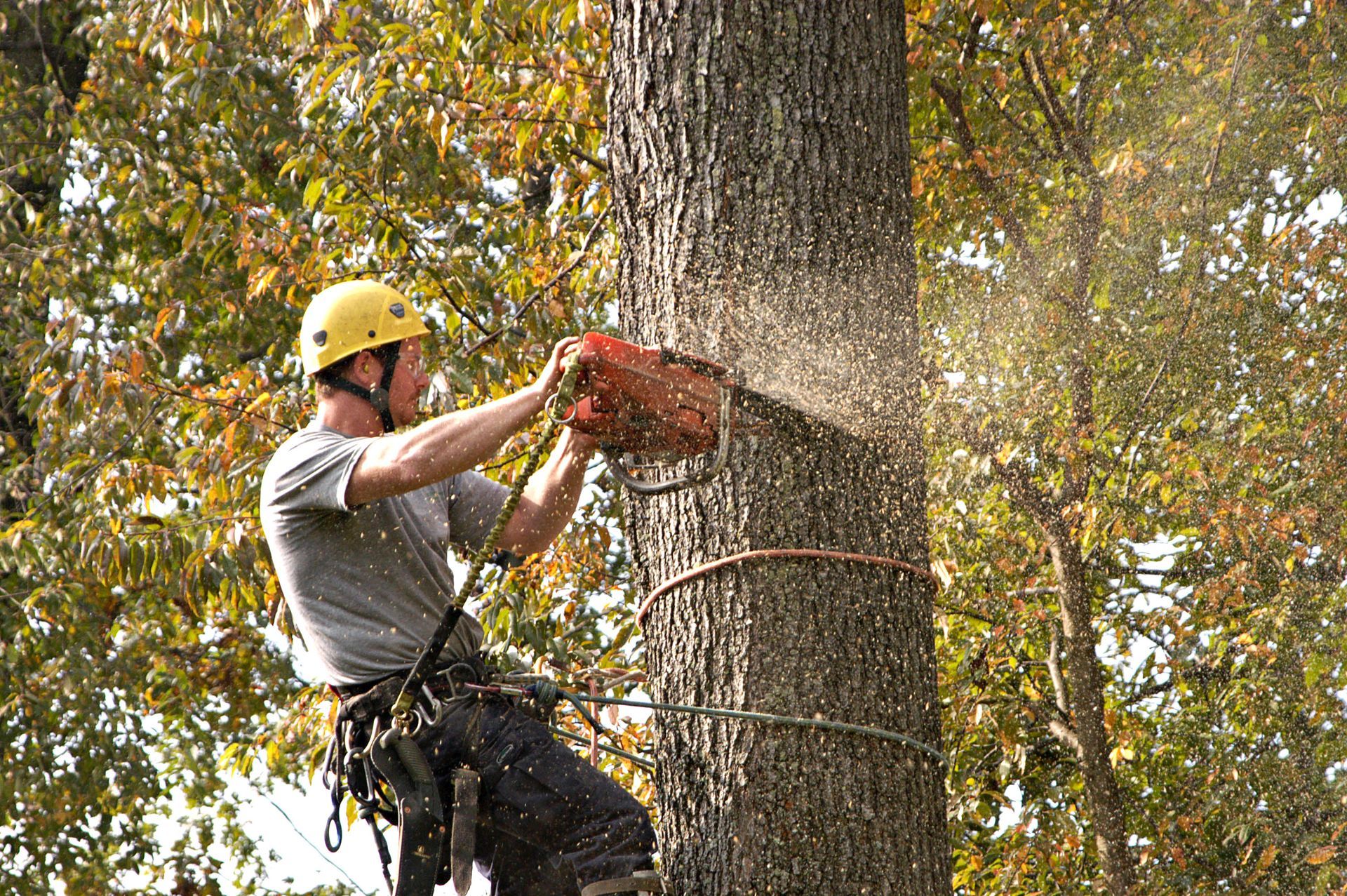
Every tree presents unique challenges that require a customized trimming strategy. Arborists develop detailed plans before any work begins to ensure branches are removed safely and efficiently. The size and location of hazardous limbs help determine which cutting techniques will be used. Professionals consider whether climbing, aerial lifts, or rigging systems are necessary to access specific areas safely. The sequence of cuts is carefully planned to prevent unexpected branch movement during removal. Weight distribution is analyzed to reduce stress on the remaining structure as trimming progresses. Special attention is given to preserving healthy growth while eliminating problem areas. Proper planning helps minimize damage to surrounding landscapes and property. By preparing thoroughly, arborists can complete complex trimming projects with precision and confidence.
Recognizing Signs of Disease and Decay
Disease and decay significantly influence trimming decisions, especially when dealing with large or hazardous trees. Arborists inspect branches, bark, and foliage for symptoms that may indicate underlying health problems. Fungal growth, cankers, deadwood, and unusual discoloration often signal disease activity within the tree. Certain diseases spread rapidly if infected sections are not properly removed and disposed of. Decay can weaken branches internally, making them more susceptible to failure even when they appear healthy from the outside. Professionals use their knowledge to distinguish between minor issues and serious threats that require immediate attention. Identifying these concerns before trimming allows for targeted interventions that improve overall tree health. In some cases, additional treatments may be recommended alongside pruning efforts. Early detection helps protect both the affected tree and nearby vegetation from further problems.
Supporting Long-Term Tree Stability
The ultimate goal of tree trimming extends beyond immediate safety concerns. Arborists focus on promoting long-term stability and health through every decision they make. Removing hazardous limbs helps reduce the risk of future branch failures while encouraging stronger structural development. Strategic trimming can improve airflow throughout the canopy, reducing moisture-related issues and supporting healthy growth. Proper weight distribution allows the tree to withstand environmental stresses more effectively. Professionals also consider how current trimming decisions will influence the tree’s future shape and strength. Preserving healthy branches while eliminating problematic growth contributes to a balanced and resilient structure. Ongoing maintenance recommendations help property owners protect their investment over time. Through careful planning and skilled execution, arborists help trees remain valuable and safe landscape assets for many years.
When large or hazardous trees require professional attention, choosing experienced arborists can make all the difference. Dillon Tree Service provides knowledgeable tree care solutions designed to protect your property while supporting the long-term health of your trees. Contact Dillon Tree Service today to schedule a professional evaluation and learn how professional tree maintenance can keep your landscape safe, beautiful, and thriving.
Share On: